Loading...

Table of Content

    10 November 2025, Volume 60 Issue 21
    Special Planning—Liver Transplant Nursing
    Construction and application research of a virtual reality-assisted exercise intervention program for liver transplantation
    SUN Huihui, ZHUANG Jinshan, CHENG Lijie, LIU Qingqing, LIU Mengfei, XU Qingguo, ZHANG Bingliang
    2025, 60(21):  2565-2571.  DOI: 10.3761/j.issn.0254-1769.2025.21.001
    Asbtract ( )   HTML ( )   PDF (1568KB) ( )  
    Figures and Tables | References | Related Articles | Metrics

    Objective To develop a virtual reality-assisted exercise intervention program for liver transplantation and preliminarily analyse its application effect,providing evidence-based insights for implementing relevant interventions. Methods The virtual reality-assisted exercise intervention program for liver transplantation was developed through literature review,semi-structured interviews,and expert consultation. Patients undergoing liver transplantation at a tertiary hospital organ transplant center in Qingdao were selected as the study subjects by a convenience sampling method from April 2024 to October 2024. The experimental group and the control group included 50 patients in each group. The experimental group was treated with the virtual reality-assisted exercise intervention,while the control group was treated with routine nursing,and the intervention period lasted from postoperative day 2 until the day of discharge. Outcome indicators included exercise intention,frailty index,activities of daily living(ADL),time to first flatus,time to first ambulation,and postoperative hospital stay. Results In the intervention study,the experimental group exhibited significantly higher exercise intention scores(P<0.001) and ADL scores(P<0.001),along with significantly lower frailty index scores(P<0.001),shorter time to first flatus(P<0.001),earlier ambulation(P<0.001),and reduced postoperative hospital stay(P<0.001) compared to the control group. Conclusion For liver transplant recipients,virtual reality-assisted postoperative exercise intervention can increase rehabilitation exercise intention,alleviate postoperative frailty,promote the recovery of gastrointestinal function,facilitate early ambulation,shorten the length of hospital stay,and improve activities of daily living.

    Trend of the temperature variation for hypothermia during pediatric living-donor liver transplantation and nursing implications
    HUANG Yile, YANG Yan, CHEN Guoli
    2025, 60(21):  2572-2578.  DOI: 10.3761/j.issn.0254-1769.2025.21.002
    Asbtract ( )   HTML ( )   PDF (1137KB) ( )  
    Figures and Tables | References | Related Articles | Metrics

    Objective To explore trend of the core temperature variation,the incidence of perioperative hypothermia and influencing factors during pediatric living-donor liver transplantation,so as to provide a theoretical basis for policies and procedures for prevention and treatment of hypothermia. Methods Cluster sampling method was used to collect the clinical data of 334 pediatric patients who underwent living-donor liver transplantation from November 2017 to December 2023 at a tertiary general hospital in Shanghai. Based on literature review method and expert meeting method,a questionnaire on influencing factors for intraoperative hypothermia during pediatric living-donor liver transplantation was designed and was used for investigation. Univariate analysis and logistic regression analysis were applied to identify the influencing factors. Results During the pediatric living-donor liver transplantation,the core temperature shows the variation trend of “slowly increase-rapidly decrease-recover-stabilization”. The incidence of intraoperative hypothermia is 55.09%. Logistic regression analysis revealed that gender,age in months,body weight,Child-Pugh score,baseline temperature upon admission,duration of surgery,and duration of anesthesia are factors influencing the occurrence of hypothermia during living donor liver transplantation in infants and young children. Conclusion The incidence of hypothermia in pediatric living-donor liver transplantation is high. Perioperative nurses should attach importance to evaluate the influencing factors for hypothermia and develop strategies to minimize the risk of hypothermia in pediatric patients who underwent living-donor liver transplantation at risk.

    Perioperative nursing care of a patient with glycogen storage disease type Ⅲa under-going living donor liver transplantation
    SU Qian, LI Yue, CHEN Hongshuang, PAN Xinwei, FENG Lujing, WU Yu, XU Xuelei
    2025, 60(21):  2579-2583.  DOI: 10.3761/j.issn.0254-1769.2025.21.003
    Asbtract ( )   HTML ( )   PDF (945KB) ( )  
    References | Related Articles | Metrics

    This report summarizes the perioperative nursing care of a patient with glycogen storage disease(GSD) type Ⅲa who underwent living donor liver transplantation. Key nursing strategies included:enhanced nutritional support and blood glucose control to maintain metabolic stability before surgery;comprehensive preoperative assessment of myocardial and skeletal muscle function with multidimensional fall prevention measures. Postoperatively,multi-dimensional precise monitoring and management were implemented to support graft function recovery. A stepwise nutritional intervention was adopted to sustain glucose homeostasis and meet diverse nutritional needs. Cardiac function-guided rehabilitation planning enabled individualized phased rehabilitation training. A comprehensive health record was established to ensure continuity of care through structured and continuous follow-up. The patient recovered well and was discharged without complications. At 3-month follow-up,the recovery remained satisfactory.

    Preoperative prehabilitation strategies for liver transplant recipients:a scoping review
    DING Qiulei, XU Yihong, SHI Gongjie, TANG Xinye, TONG Ying, SHU Hongyan, XU Hongxia
    2025, 60(21):  2584-2590.  DOI: 10.3761/j.issn.0254-1769.2025.21.004
    Asbtract ( )   HTML ( )   PDF (1335KB) ( )  
    Figures and Tables | References | Related Articles | Metrics

    Objective To perform a scoping review of the current literature on prehabilitation interventions for liver transplant candidates,supplying evidence to guide the formulation of standardized prehabilitation protocols. Methods Comprehensive searches were performed in several databases,including PubMed,Embase,Cochrane Library,Web of Science,CINAHL,SinoMed,CNKI,Wanfang,and VIP Database. The search period extended from the creation data of each database up to March 10,2025. Totally 2 researchers independently carried out the literature screening and data extraction. Results A total of 16 studies were included. Preoperative rehabilitation interventions primarily include multimodal exercise training, personalized nutritional support, and psychological or behavioral interventions. The intervention team was multidisciplinary and the intervention setting covered hospitals and homes. The evaluation indicators comprised feasibility metrics,health-related quality of life,exercise-related metrics,physical function,postoperative complication rates,length of hospital stay,cardiopulmonary function,and nutritional status. Conclusion Currently,multimodal prehabilitation strategies for liver transplant patients remain in the early exploratory stage. There is an urgent need for high-quality randomized controlled trials to identify optimal intervention models,clarify key determinants of intervention timing,and establish a comprehensive and systematic evaluation framework to facilitate the clinical implementation of prehabilitation in liver transplantation.

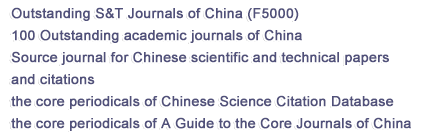
    Specialist Nursing Practice and Research
    Development and application of a digital-intelligent proactive health management program for middle-aged and elderly patients with chronic kidney disease and comorbidities
    YING Jiapei, PEI Hualian, ZHOU Lingling, FAN Xuelan, YANG Xi, YAO Yao, XU Qinhong
    2025, 60(21):  2591-2598.  DOI: 10.3761/j.issn.0254-1769.2025.21.005
    Asbtract ( )   HTML ( )   PDF (1141KB) ( )  
    Figures and Tables | References | Related Articles | Metrics

    Objective To construct a digital-intelligent proactive health management program for middle-aged and elderly patients with chronic kidney disease(CKD) and comorbidities and to evaluate its application effects, providing a reference for digital and intelligent proactive health management of middle-aged and elderly patients with CKD and comorbidities. Methods An intervention team was set up to build a digital-intelligent proactive health management program for patients with CKD and comorbidities. The research involved 176 middle-aged and elderly patients with CKD and comorbidities in a tertiary Grade A hospital in Zhejiang Province from November 2023 to April 2024. The patients were divided into an experimental group(n=88) and a control group(n=88) according to the random number table generated by SPSS. The experimental group implemented the digital-intelligent management system for proactive health management,while the control group received routine health management. Self-management ability,self-efficacy,physiological indicators and their compliance rates,and risk of renal failure were compared before the intervention,6 and 12 months after the intervention between the 2 groups. Results 83 cases in the experimental group and 84 cases in the control group reached the endpoint of the study after 12 months of intervention. The ANOVA of the 2 groups showed the experimental group having a greater advantage over the control group,with statistically significant differences in self-management ability,self-efficacy and physiological indicators between groups,time effect,and interaction effect(P<0.05). After 12 months of intervention,the experimental group demonstrated significantly better outcomes than the control group in compliance rates of various physiological indicators(P<0.05). Moreover,the experimental group exhibited significantly lower risks of renal failure at both 2-year and 5-year follow-ups(P<0.05). Conclusion The digital-intelligent proactive health management program for middle-aged and elderly patients with CKD and comorbidities can enhance self-management ability and self-efficacy,improve physiological indicators,and reduce the risk of renal failure.

    A study on the application of bedside ultrasound-based precise intervention strategies in ICU patients with constipation
    NI Xiumei, HU Shaohua, FU Hong, SHEN Xiaoxia, ZHAO Lican, ZHANG Yu, HAN Jiangying
    2025, 60(21):  2599-2604.  DOI: 10.3761/j.issn.0254-1769.2025.21.006
    Asbtract ( )   HTML ( )   PDF (949KB) ( )  
    Figures and Tables | References | Related Articles | Metrics

    Objective To explore the application of bedside ultrasound-based precise intervention strategies in ICU patients with constipation,to provide references for clinical practice. Methods A total of 116 patients admitted to the ICU of a tertiary general hospital in Anhui Province from June 2024 to February 2025 were selected and randomly divided into an intervention group with 58 cases and a control group with 58 cases by computer randomization. The intervention group was given precise intervention strategies based on the results of intestinal ultrasound assessment,while the control group received conventional constipation treatment measures. The differences in the intestinal diameters of the ascending and descending colon before and 24 hours after the intervention,the number of defecations within 24 hours after the first intervention,the incidence of constipation and diarrhea within 7 days after the intervention,and the abdominal circumference 7 days after the intervention were compared between the 2 groups. Results 19 patients did not complete the study due to transfer to other departments,voluntary discharge,or death. A total of 97 cases were ultimately included, comprising 47 cases in the experimental group and 50 cases in the control group. The intestinal diameters of the ascending and descending colon in the intervention group 24 hours after the intervention were(1.49±0.39) cm and(1.21±0.26) cm,respectively,which were lower than those in the control group(P<0.001).The number of defecations within 24 hours after the intervention in the intervention group was 41 cases(87.23%), higher than 32 cases in the control group(64.00%),and the incidence of constipation and diarrhea within 7 days after the intervention was 8.51%、10.63%,lower than 28.00%,32.00% in the control group(P<0.05).The abdominal circumference 7 days after the intervention in the intervention group was lower than that in the control group(P<0.05). Conclusion The precise intervention strategy based on bedside ultrasound is helpful for the defecation of ICU patients with constipation,reduces the incidence of constipation and diarrhea,and lowers abdominal circumference,and is worthy of promotion and application.

    A study on the impact of health education based on different message framing in self-management of elderly patients with chronic heart failure
    LI Sizhe, SHEN Ying, LIU Wenjuan, ZHU Yanmei, JIANG Minghui, LOU Ming, HAN Bing, ZHUANG Haifeng, SHI Meiying
    2025, 60(21):  2605-2612.  DOI: 10.3761/j.issn.0254-1769.2025.21.007
    Asbtract ( )   HTML ( )   PDF (1213KB) ( )  
    Figures and Tables | References | Related Articles | Metrics

    Objective To explore the impact of health education based on different massage framing in the self-management of elderly patients with chronic heart failure. Methods The research is set to take place from November 2023 to October 2024,involving hospitalized elderly heart failure patients at a cardiac treatment center of a tertiary comprehensive hospital in Xuzhou,Jiangsu Province. Participants were conveniently selected and randomly assigned to 3 groups:the gain-framed group,the loss-framed group,and the control group,and each group had 47 cases. The gain-framed group received health education based on the gain framed messages,while the loss-framed group received health education based on the loss framed messages. The control group underwent routine health education. The research aimed to evaluate and compare the weight management status,self-care abilities,quality of life,levels of N-terminal pro-B-type natriuretic peptide,and readmission rates among the 3 groups,both prior to the intervention and 3 months post-discharge. Results A total of 47 patients in the gain-framed group,45 patients in the loss-framed group,and 45 patients in the control group successfully completed the research. 3 months after discharge,the gain-framed group and the loss-framed group exhibited significantly higher scores in weight monitoring,knowledge,beliefs,and behaviors related to weight management,as well as total self-care scores,self-care management,self-care confidence,and self-care maintenance,compared to the control group(P<0.05). Furthermore,the scores in the loss-framed group surpassed those in the gain-framed group(P<0.05). In terms of quality of life,the total score and scores across physical,emotional,and other domains,along with levels of N-terminal pro-B-type natriuretic peptide,were significantly lower in the loss-framed group than in the gain-framed group(P<0.05). Additionally,the readmission rate for the loss-framed group was lower than that of both the gain-framed group and the control group(P<0.05). Conclusion Health education for self-management based on different massage framing can effectively enhance the self-management abilities of elderly patients with chronic heart failure,thereby improving their quality of life. Notably,the loss-framed message had stronger persuasive.

    Study on the mechanism of kinesiophobia in patients with chronic obstructive pulmonary disease and nursing countermeasures
    WU Ruizhi, DU Yunhong, HUANG Ju, ZHOU Peixia, CHEN Xiaojie, SONG Yanru, WANG Li
    2025, 60(21):  2613-2619.  DOI: 10.3761/j.issn.0254-1769.2025.21.008
    Asbtract ( )   HTML ( )   PDF (1300KB) ( )  
    Figures and Tables | References | Related Articles | Metrics

    Objective To explore the mechanism of kinesiophobia in patients with chronic obstructive pulmonary disease,in order to provide references for the formulation of clinical nursing intervention measures. Methods From January to April 2025,purpose sampling and theoretical sampling were used to select 15 COPD patients with kinesiophobia in the inpatient department and outpatient department of Respiratory Medicine in a tertiary A hospital in Qingdao for semi-structured in-depth interviews. The data were analyzed by the procedural grounded theory method. Results The total length of the interview was 427 min,and the total number of transcribed words was more than 78 000 Chinese words. The mechanism model of kinesiophobia in patients with COPD was established,including 5 core categories of kinesiophobia trigger events,irrational cognitive assessment,fear emotional arousal,adverse coping mode and explicit behavioral response. Conclusion The mechanism model of kinesiophobia in patients with COPD can guide medical staff to identify multi-source triggers of kinesiophobia,and reduce the level of kinesiophobia by enhancing the perceived benefits of exercise,alleviating fear and reducing avoidance behavior.

    Construction and validation of a risk prediction model for microaspiration of oropharyngeal secretions in ICU patients with endotracheal intubation
    DENG Wei, WANG Ying, TAN Liping, ZHU Jianjun, XU Sujuan, TANG Wen, ZOU Jie, LIU Lijun
    2025, 60(21):  2620-2626.  DOI: 10.3761/j.issn.0254-1769.2025.21.009
    Asbtract ( )   HTML ( )   PDF (1270KB) ( )  
    Figures and Tables | References | Related Articles | Metrics

    Objective To construct and validate a risk prediction model for microaspiration of oropharyngeal secretions in patients with endotracheal intubation in ICU,providing a reference for early identification and prevention of microaspiration in intubated patients. Methods Using a prospective research method and convenience sampling,476 patients with endotracheal intubation in the comprehensive ICU of a tertiary hospital in Suzhou were selected as the survey subjects from January 2023 to February 2025. The risk factors for microaspiration of oropharyngeal secretions in ICU patients with endotracheal intubation were screened through univariate analysis and logistic regression analysis,and a nomogram prediction model was constructed. The internal validation of the model was conducted using the repeated K-fold cross validation method and Bootstrap method. The predictive performance of the model was evaluated using the area under the subject operating characteristic curve,calibration curve,and decision curve. Results The logistic regression analysis showed that sedation level,the presence of a subglottic suction catheter,PEEP value,and a diagnosis of stroke or traumatic brain injury were influencing factors for microaspiration of oropharyngeal secretions in ICU patients with endotracheal intubation. The area under the receiver operating characteristic curve(AUC) of the prediction model was 0.786[95%CI(0.745~0.827),P<0.001],with a sensitivity of 77.29% and a specificity of 71.26%. The Hosmer-Lemeshow goodness-of-fit test yielded a 2 value of 12.796(P=0.077). Five-fold and ten-fold cross-validation revealed AUCs of 0.765 and 0.772,respectively. Using the Bootstrap method with 1,000 resamples,the results showed a C-index of 0.776[95%CI(0.737~0.818)]. Conclusion The risk prediction model established in this study has good discriminatory ability and calibration,and can assist ICU medical staff in quickly identifying the risk of microaspiration in mechanically ventilated patients.

    Construction and validation of a risk prediction model for pan-vascular disease in patients with type 2 diabetes mellitus
    WANG Pin, GUAN Hong
    2025, 60(21):  2627-2634.  DOI: 10.3761/j.issn.0254-1769.2025.21.010
    Asbtract ( )   HTML ( )   PDF (1083KB) ( )  
    Figures and Tables | References | Related Articles | Metrics

    Objective A risk prediction model for pan-vascular disease in patients with type 2 diabetes mellitus was constructed,and the nomogram was drawn and the prediction effect of the model was verified,so as to provide a basis for clinical nurses to identify patients at high risk of pan-vascular disease with T2DM. Methods Using the convenience sampling method,520 patients with Type 2 diabetes mellitus(T2DM) were selected as study participants from the endocrinology,cardiology,neurology,neurosurgery,vascular surgery,and interventional medicine departments of a tertiary A general hospital in Dalian between January and August 2024. Among these,360 participants from January to April 2024 constituted a modeling group,while 160 participants from May to August 2024 formed a validation group. The questionnaire on risk factors of pan-vascular disease in patients with T2DM was used to collect general data and disease-related data,and the influencing factors of pan-vascular disease in patients with T2DM were analyzed by univariate analysis and multivariate logistic regression. Hosmer-Lemeshow was used to test the validity and fit of the model;the Youden index was used to determine the optimal cut-off value of the early warning model;the clinical decision curve graph was used to analyze the clinical utility of the prediction model. Results Ultimately,354 cases were included in the modeling group and 160 cases in the validation group. Logistic regression analysis showed that BMI,duration of diabetes,hypertension,history of previous cardiovascular disease,dyslipidemia,glycosylated hemoglobin and carotid plaque were the risk factors for pan-vascular disease in patients with T2DM(P<0.05). The results of Hosmer-Lemeshow test showed that χ2=2.615,P=0.956. The external validation results showed that the maximum approximate index was 0.586,the sensitivity of the model was 0.807,the specificity was 0.779,and the area under the ROC curve was 0.863. Conclusion This study establishes and validates a risk prediction model for generalized vascular disease in patients with T2DM,demonstrating good predictive efficacy. It provides a scientific basis for healthcare professionals to early identify and screen

    Development and validation of a Health Social Network Structure Scale for patients with chronic diseases
    CHENG Hantian, ZHOU Yuan, WEN Tianhong, ZHOU Jiayi, TANG Xiaorui, WANG Yanzhe, LIN Zheng, LEI Yang
    2025, 60(21):  2635-2641.  DOI: 10.3761/j.issn.0254-1769.2025.21.011
    Asbtract ( )   HTML ( )   PDF (1265KB) ( )  
    Figures and Tables | References | Related Articles | Metrics

    Objective To develop a Health Social Network Structure Scale for patients with chronic diseases and test its reliability and validity. By scientifically assessing the characteristics and interaction patterns of patients’ social network structures,this study aims to provide a basis for formulating social network intervention strategies in chronic disease management. Methods Guided by the Conceptual Models of How Social Networks Impact Health,the initial version of the Health Social Network Structure Scale for patients with chronic diseases was developed through literature analysis,expert consultation,and a preliminary survey. From September to October 2024,420 cases of type 2 diabetes mellitus patients from a health service center and a tertiary hospital in Nanjing were selected for investigation. Exploratory factor analysis(EFA) and confirmatory factor analysis(CFA) were conducted. Results A total of 400 patients were included in the final analysis. The Health Social Network Structure Scale consisted of 8 dimensions and 27 items,with a cumulative variance contribution rate of 71.681%. Confirmatory factor analysis showed that the model with a high goodness-of-fit. The Cronbach’s α coefficient for the total scale was 0.815;the split-half reliability was 0.841;the composite reliability was 0.816;the validity of the calibration is good. The Cronbach’s α coefficients for each dimension ranged from 0.636 to 0.879. Using the Perceived Isolation Scale as the criterion,the scores of each dimension were significantly correlated with perceived social isolation. Conclusion The Health Social Network Structure Scale for patients with chronic diseases demonstrates good reliability and validity and it can serve as a reliable tool for evaluating social network structure conditions.

    Enteral and Parenteral Nutrition
    Dietary management for patients with cancer-related fatigue:a scoping review
    YE Lei, WU Guanghong, ZHANG Weiwei, WEI Ying, ZHOU Lijuan, CHEN Fangmei, XIA Guanghui
    2025, 60(21):  2642-2647.  DOI: 10.3761/j.issn.0254-1769.2025.21.012
    Asbtract ( )   HTML ( )   PDF (876KB) ( )  
    Figures and Tables | References | Related Articles | Metrics

    Objective To conduct a scoping review of research on dietary management for patients with cancer-related fatigue(CRF),aiming to provide references for healthcare professionals to formulate targeted intervention programs. Methods A systematic search was carried out in databases,including PubMed,Embase,Web of Science,Cochrane Library,China National Knowledge Infrastructure(CNKI),and Wanfang Data,with the search time frame spanning from the establishment of each database to July 10,2024. Literature was screened,summarized,extracted,and analyzed according to inclusion and exclusion criteria. Results A total of 7 articles were included,comprising 5 randomized controlled trials and 2 quasi-experimental studies. Among them,the dietary types for CRF patients included the Mediterranean diet,plant-based high-protein diet,time-restricted eating,and anti-inflammatory diet. The intervention durations ranged from 2 weeks to 3 months. Evaluation indicators encompassed the degree of CRF,quality of life,and inflammation levels. The research results indicated that all dietary management programs for CRF patients were safe and effective,and patients exhibited high compliance. Conclusion There are diverse dietary types for CRF patients,all of which are safe and feasible and contribute to improving the degree of CRF in patients. However,most existing studies are exploratory and have small sample sizes. In the future,it is necessary to further optimize research designs and compare the intervention effects of different dietary types.

    Traditional Chinese Medicine Nursing
    Research on the application of five-element corresponding to five-color music therapy on post-stroke subthreshold depression patients
    YANG Ting, WEI Hui, LIU Miaomiao, WU Minhao, TONG Fangfang, JIANG Luya, YANG Hongyan
    2025, 60(21):  2648-2653.  DOI: 10.3761/j.issn.0254-1769.2025.21.013
    Asbtract ( )   HTML ( )   PDF (927KB) ( )  
    Figures and Tables | References | Related Articles | Metrics

    Objective To explore the effect of five-element corresponding to five-color music therapy on post-stroke subthreshold depression patients and provide references for expanding their non pharmacological management in traditional Chinese medicine. Methods Convenience sampling was used to select 68 patients with post-stroke subthreshold depression admitted to the neurology department of a tertiary comprehensive hospital in Zhejiang Province from May to November 2024 as the research subjects. They were randomly divided into an experimental group and a control group using a random number table,with 34 patients in each group. The experimental group received five-element corresponding to five-color music therapy intervention,while the control group received five-element music therapy with an intervention period of 2 weeks. The Hamilton Depression Scale-17 Items(HAMD-17) and the Center for Epidemiological Studies Depression Scale(CES-D) were used to evaluate patients within 24 hours of enrollment,1 week after intervention,and 2 weeks after intervention,respectively. Results A total of 67 patients completed the study,with 34 in the experimental group and 33 in the control group. The repeated measures of variance results showed that there was an interaction between the HAMD-17 and CES-D scores of the 2 groups(P<0.001). The HAMD-17 and CES-D scores of the experimental group after 1 and 2 weeks of intervention were lower than those of the control group,and the differences were statistically significant(P<0.05). Conclusion The intervention of five-element corresponding to five-color music therapy on post-stroke subthreshold depression patients can effectively improve the depressive mood,and is worthy of clinical promotion.

    Study on the effect of timing aromatherapy combined with balanced cupping on perimenopausal insomnia patients
    XIE Rui, ZHANG Qixiu, CHEN Lili, LI Ying, NING Li
    2025, 60(21):  2654-2661.  DOI: 10.3761/j.issn.0254-1769.2025.21.014
    Asbtract ( )   HTML ( )   PDF (1255KB) ( )  
    Figures and Tables | References | Related Articles | Metrics

    Objective To explore the effect of midnight-noon ebb-flow timing aromatherapy combined with balanced cupping on Traditional Chinese Medicine(TCM) nursing of perimenopausal insomnia patients with kidney yin deficiency,and to provide references for clinical TCM nursing practice. Methods From January to September 2023,132 patients with perimenopausal insomnia of kidney yin deficiency type who were admitted to the gynecology clinic of traditional Chinese medicine in a tertiary A hospital in Hangzhou were selected as research subjects. They were divided into an aromatic group,a balanced cupping group,a combined group and a control group by random number table method,with 33 cases in each group. The intervention plan was determined through literature research and expert group meetings,and the intervention plan was revised through pre-experiment. The aromatic group was treated with midnight-noon ebb-flow timing aromatherapy on the basis of routine nursing. The balanced cupping group was treated with midnight-noon ebb-flow timing balanced cupping on the basis of routine nursing. The combined group was treated with midnight-noon ebb-flow timing aromatherapy combined with balanced cupping on the basis of routine nursing. The control group was given routine nursing. The course of treatment was 4 weeks. The Pittsburgh Sleep Quality Index(PSQI) score,TCM syndrome score and adverse reactions were compared between the 4 groups before and after intervention. Results After 4 weeks of intervention,the total effective rate of the combined group was 71.87%,which was higher than that of the control group(P<0.001) and the aromatic group(P<0.05). The cure rate of the combined group was 31.25%,which was higher than 12.50% of the aromatic group(P<0.001) and 12.50% of the balanced cupping group(P<0.001). After intervention,the TCM syndrome score of the aromatic group was9.00(5.00,10.00),and the balanced cupping group was8.00(4.00,12.00),and the combined group was 9.00(4.00,10.00),which were all lower than12.00(9.00,17.00) in the control group(P<<0.001),and the difference was statistically significant. Conclusion The timing aromatherapy combined with balanced cupping can effectively improve the sleep status of perimenopausal insomnia patients and reduce the syndrome of kidney yin deficiency,and the intervention plan is scientific and feasible.

    Evidence Synthesis Research
    Systematic review of assessment tools for nurse-patient communication competence
    ZOU Simin, ZHOU Gaoyang, LI Yanran, LIU Chuankun, LI Li
    2025, 60(21):  2662-2669.  DOI: 10.3761/j.issn.0254-1769.2025.21.015
    Asbtract ( )   HTML ( )   PDF (1021KB) ( )  
    Figures and Tables | References | Related Articles | Metrics

    Objective To systematically review the assessment tools for nurse-patient communication competence,thus providing evidence for nursing administrators and educators in selecting appropriate assessment tools. Methods A systematic search was conducted in CNKI,Wanfang,VIP,Sinomed,PubMed,Web of Science,Embase,and CINAHL,with a timeframe from inception of the databases to June 10,2025. Literature on nurse-patient communication competence assessment tools was screened based on the inclusion and exclusion criteria. The methodological quality and measurement properties of the included tools were evaluated according to the Consensus-Based Standards for the Selection of Health Measurement Instruments,and recommendations were generated. Results A total of 12 studies involving 9 nurse-patient communication competence assessment tools were included. The Clinical Nurse-Patient Communication Knowledge,Attitude and Practice Questionnaire was recommended at Level A;5 tools were recommended at Level B;3 tools were recommended at Level C. Conclusion There are various types of assessment tools for nurse-patient communication competence. However,the methodological quality still needs to be improved and the measurement properties need to be further validated. The Clinical Nurse-Patient Communication Knowledge,Attitude and Practice Questionnaire is recommended for the time being.

    Dietary experience of patients with inflammatory bowel disease:a qualitative Meta-synthesis
    ZHOU Mi, ZHANG Xue, LI Shanshan, MAO Junyan, YING Xue
    2025, 60(21):  2670-2677.  DOI: 10.3761/j.issn.0254-1769.2025.21.016
    Asbtract ( )   HTML ( )   PDF (1246KB) ( )  
    Figures and Tables | References | Related Articles | Metrics

    Objective To systematically evaluate and synthesize qualitative studies on dietary experience of patients with inflammatory bowel disease,and to provide a reference for healthcare professionals to carry out dietary intervention. Methods A comprehensive search was conducted across the Cochrane Library,Web of Science,PubMed,Embase,CINAHL,CNKI,Wanfang Database,VIP Database and SinoMed for qualitative studies on the dietary experiences of patients with inflammatory bowel disease. The search period was from database inception to November 2024. The quality of the included literature was evaluated using the Australian Joanna Briggs Institute Center for Evidence-based Health Care Qualitative Assessment criteria for Qualitative Research(2016),and the results were integrated by integrating methods. Results A total of 10 studies were included;40 research results were extracted;15 categories were summarized. The final synthesis included 4 integrated results,including multifaceted considerations in food choice,barriers to dietary management,empirical strategies for dietary management,and positive transformations resulting from dietary management. Conclusion Patients with inflammatory bowel disease have multifaceted experiences related to diet. Healthcare professionals should place greater emphasis on dietary guidance,enhance patients’ knowledge and skills in dietary self-management,support patients’ adaptation to dietary changes and the development of individualized coping strategies,and integrate multiple resources to improve patients’ dietary experience.

    Review
    Research progress on application of the Health Action Process Approach in health management for chronic disease patients
    WANG Xinyun, SUN Lili, OU Jiayuan, WEN Peiting, WANG Zhaodi
    2025, 60(21):  2678-2682.  DOI: 10.3761/j.issn.0254-1769.2025.21.017
    Asbtract ( )   HTML ( )   PDF (870KB) ( )  
    Figures and Tables | References | Related Articles | Metrics

    Health Action Process Approach is a behavioral change model that consists 2 phases of motivational phase and volitional phase. It provides a systematic framework for the adoption,maintenance,and recovery of health behaviors,and emphasizes the importance of phase-specific self-efficacy,action planning,and coping planning. By dynamically identifying barriers and needs in behavioral change processes,Health Action Process Approach enhances the precision and long-term effectiveness of interventions. This article provides a review of the origins,concept,theoretical content,and current status of application of Health Action Process Approach in the health management of chronic disease patients,and puts forward its research prospects,with the aim of providing a reference for optimizing and implementing health management programs for chronic disease patients.

    The application progress of digital and intelligent interventions in weight management of overweight/obese populations
    ZHOU Feiyang, ZHAO Liping, XU Can, LIU Deyu, LIU Lan, ZHANG Linjing
    2025, 60(21):  2683-2688.  DOI: 10.3761/j.issn.0254-1769.2025.21.018
    Asbtract ( )   HTML ( )   PDF (878KB) ( )  
    References | Related Articles | Metrics

    Overweight and obesity have become global public health issues. Patients with such conditions usually need to undergo long-term and dynamic weight management. However,traditional weight management approaches have limitations such as low patient compliance and insufficient personalization,resulting in insignificant intervention effects. In recent years,digital and intelligent interventions have gradually been integrated into all aspects of weight management for overweight and obese patients,demonstrating significant advantages in enhancing intervention efficiency,personalization,and patient compliance. This paper reviews the current status of weight management for overweight and obese patients,digital and intelligent intervention tools and technologies,as well as digital and intelligent intervention methods. It also analyzes the challenges of applying digital and intelligent interventions in weight management for overweight and obese patients and proposes nursing countermeasures,with the aim of providing new ideas and directions for the digital transformation of weight management.