

Chinese Journal of Nursing ›› 2025, Vol. 60 ›› Issue (9): 1140-1145.DOI: 10.3761/j.issn.0254-1769.2025.09.019
• Evidence Synthesis Research • Previous Articles Next Articles
LIU Xiaoyi( ), WANG Hong(), ZHOU Zhicong, SUN Xu, WANG Yiru, TONG Ziwei, LIU Xiaoying
Received:2025-01-04
Online:2025-05-10
Published:2025-05-08
Contact:
WANG Hong
刘晓熠(), 王红(), 周智聪, 孙旭, 王意茹, 仝紫薇, 刘晓莹
通讯作者:
王红
作者简介:刘晓熠:女,本科(硕士在读),E-mail:15753349405@163.com
基金资助:LIU Xiaoyi, WANG Hong, ZHOU Zhicong, SUN Xu, WANG Yiru, TONG Ziwei, LIU Xiaoying. Rehabilitation effects based on immersive virtual reality as a treatment for peripheral vestibular dysfunction:a Meta-analysis[J]. Chinese Journal of Nursing, 2025, 60(9): 1140-1145.
刘晓熠, 王红, 周智聪, 孙旭, 王意茹, 仝紫薇, 刘晓莹. 沉浸式虚拟现实技术对外周性前庭功能障碍患者康复效果的Meta分析[J]. 中华护理杂志, 2025, 60(9): 1140-1145.
Add to citation manager EndNote|Ris|BibTeX
URL: https://zh.zhhlzzs.com/EN/10.3761/j.issn.0254-1769.2025.09.019
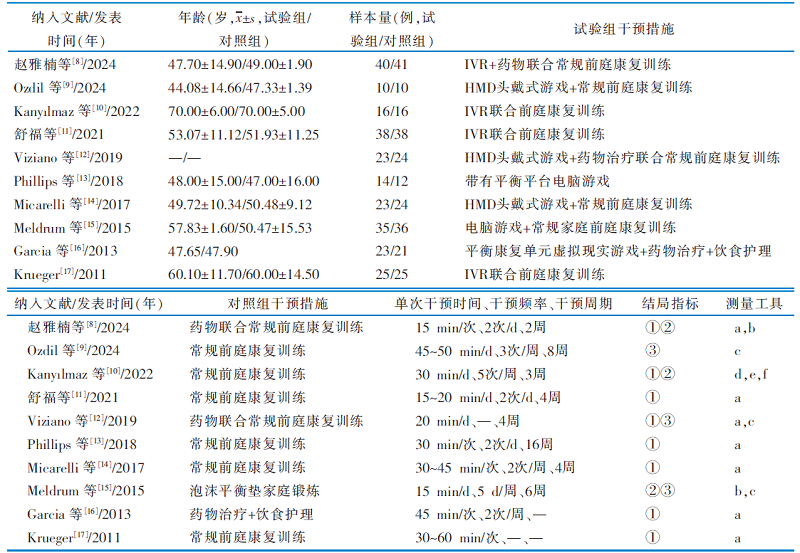 |
Table 1 Basic characteristics of included studies(n=10)
| |
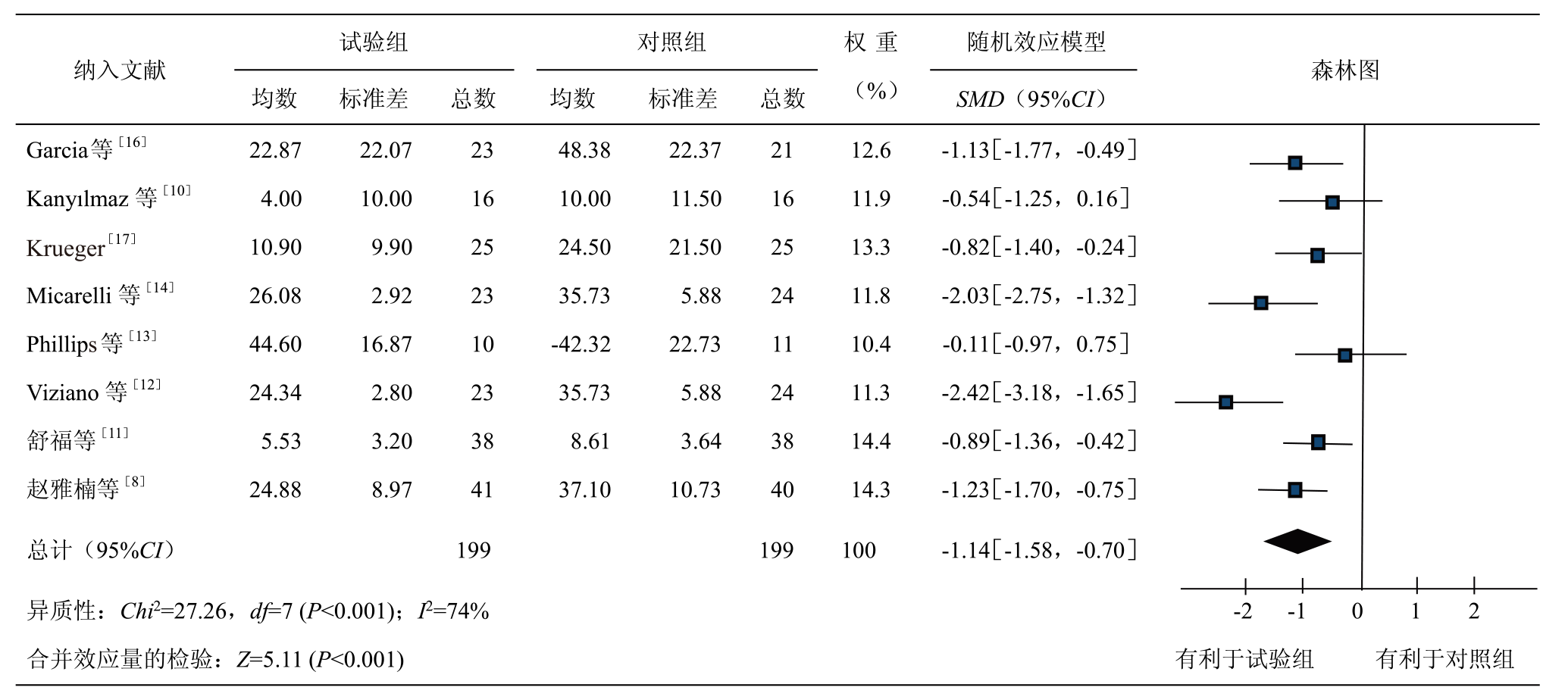
Figure 1 Effect of immersive virtual reality technology on vertigo symptoms
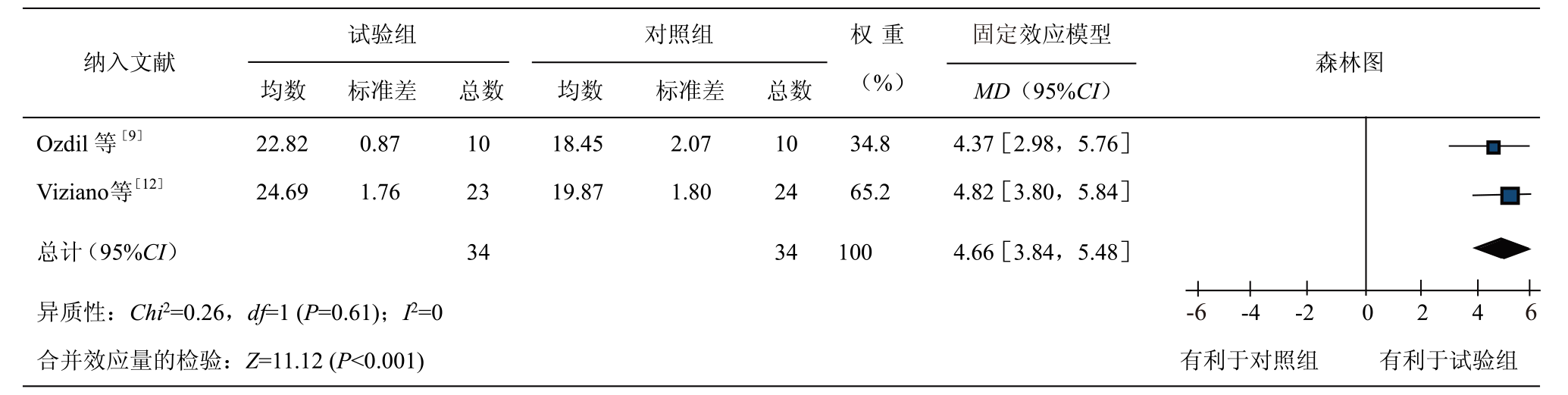
Figure 2 The impact of immersive virtual reality technology on the dynamic step count index
| [1] | Özaltın GE, Talu B, Bayındır T. The effect of proprioceptive vestibular rehabilitation on sensory-motor symptoms and quality of life[J]. Arq Neuropsiquiatr, 2024, 82(11):1-10. |
| [2] | 唐婧, 董永蓉, 王怡沁. 基于BS模式构建前庭康复锻炼平台对眩晕患者的眩晕症状、平衡能力、焦虑情绪的影响[J]. 临床耳鼻咽喉头颈外科杂志, 2024, 38(3):212-216. |
| Tang J, Dong YR, Wang YQ. Effects of constructing vestibular rehabilitation exercise platform based on BS model on vertigo symptoms,balance ability and anxiety of vertigo patient[J]. J Clin Otorhinolaryngol Head Neck Surg, 2024, 38(3):212-216. | |
| [3] |
王洪梅, 李娜. 住院眩晕患者跌倒风险感知现状及影响因素研究[J]. 中华护理杂志, 2024, 59(19):2382-2388.
DOI |
|
Wang HM, Li N. Risk perception of falls and its influencing factors in patients with vertigo[J]. Chin J Nurs, 2024, 59(19):2382-2388.
DOI |
|
| [4] | 孙旭, 安晓, 夏雨, 等. 智慧医疗在前庭功能障碍病人康复管理中应用的研究进展[J]. 护理研究, 2024, 38(8):1371-1374. |
| Sun X, An X, Xia Y, et al. Research progress on the applica-tion of smart healthcare in rehabilitation management of pa-tients with vestibular dysfunction[J]. Chin Nurs Res, 2024, 38(8):1371-1374. | |
| [5] | Lilios A, Nikitas C, Skoulakis C, et al. The unveiled potential of telehealth practice in vestibular rehabilitation:a comparative randomized study[J]. J Clin Med, 2024, 13(23):7015. |
| [6] | Hazzaa NM, Manzour AF, Yahia E, et al. Effectiveness of virtual reality-based programs as vestibular rehabilitative therapy in peripheral vestibular dysfunction:a meta-analysis[J]. Eur Arch Otorhinolaryngol, 2023, 280(7):3075-3086. |
| [7] | Higgins JPT, Altman DG, Gøtzsche PC, et al. The Cochrane Collaboration’s tool for assessing risk of bias in randomised trials[J]. BMJ, 2011,343:d5928. |
| [8] |
赵雅楠, 韩世范, 李莹, 等. 虚拟现实前庭康复训练对突发性聋伴眩晕患者的治疗效果:一项随机对照试验[J]. 中国全科医学, 2024, 27(14):1672-1677,1684.
DOI |
| Zhao YN, Han SF, Li Y, et al. Efficacy of virtual reality vesti-bular rehabilitation training in patients with sudden deafness and vertigo:a randomized controlled trial[J]. Chin Gen Pract, 2024, 27(14):1672-1677,1684. | |
| [9] | Ozdil A, Iyigun G, Balci B. Three-dimensional exergaming con-junction with vestibular rehabilitation in individuals with benign paroxysmal positional vertigo:a feasibility randomized controlled study[J]. Medicine, 2024, 103(27):e38739. |
| [10] | Kanyılmaz T, Topuz O, Ardıç FN, et al. Effectiveness of conven-tional versus virtual reality-based vestibular rehabilitation exer-cises in elderly patients with dizziness:a randomized control-led study with 6-month follow-up[J]. Braz J Otorhinolaryngol, 2022, 88(Suppl 3):S41-S49. |
| [11] | 舒福, 石磊, 张琦, 等. 沉浸式前庭功能康复训练系统治疗BPPV复位后的残余症状[J]. 听力学及言语疾病杂志, 2021, 29(5):509-513. |
| Shu F, Shi L, Zhang Q, et al. Curative effect of the immersive vestibular function rehabilitation training system on residual symptoms after successful canalith repositioning maneuvers in patients of BPPV[J]. J Audiol Speech Pathol, 2021, 29(5):509-513. | |
| [12] |
Viziano A, Micarelli A, Augimeri I, et al. Long-term effects of vestibular rehabilitation and head-mounted gaming task pro-cedure in unilateral vestibular hypofunction:a 12-month fol-low-up of a randomized controlled trial[J]. Clin Rehabil, 2019, 33(1):24-33.
DOI PMID |
| [13] |
Phillips JS, Fitzgerald J, Phillis D, et al. Vestibular rehabili-tation using video gaming in adults with dizziness:a pilot study[J]. J Laryngol Otol, 2018, 132(3):202-206.
DOI PMID |
| [14] | Micarelli A, Viziano A, Augimeri I, et al. Three-dimensional head-mounted gaming task procedure maximizes effects of vesti-bular rehabilitation in unilateral vestibular hypofunction:a ran-domized controlled pilot trial[J]. Int J Rehabil Res, 2017, 40(4):325-332. |
| [15] | Meldrum D, Herdman S, Vance R, et al. Effectiveness of con-ventional versus virtual reality-based balance exercises in vestibular rehabilitation for unilateral peripheral vestibular loss:results of a randomized controlled trial[J]. Arch Phys Med Rehabil, 2015, 96(7):1319-1328. |
| [16] | Garcia AP, Ganança MM, Cusin FS, et al. Vestibular rehabili-tation with virtual reality in Ménière’s disease[J]. Braz J Otor-hinolaryngol, 2013, 79(3):366-374. |
| [17] | Krueger WWO. Controlling motion sickness and spatial diso-rientation and enhancing vestibular rehabilitation with a user-worn see-through display[J]. Laryngoscope, 2011,121 Suppl 2(2):S17-S35. |
| [18] |
Östlind E, Ekstrand E, Axén I, et al. Dizziness-related disabi-lity in persons with post-COVID condition:a cross sectional study[J]. J Vestib Res, 2024, 34(4):185-193.
DOI PMID |
| [19] |
王洪梅, 李娜, 王红, 等. 住院老年眩晕患者衰弱现状及影响因素研究[J]. 中华护理杂志, 2023, 58(2):205-210.
DOI |
|
Wang HM, Li N, Wang H, et al. The current situation and influential factors of frailty in elderly patients with vertigo[J]. Chin J Nurs, 2023, 58(2):205-210.
DOI |
|
| [20] | 孙勍, 张清华, 彭新, 等. 防跌倒临床策略[J]. 临床耳鼻咽喉头颈外科杂志, 2021, 35(2):108-111. |
| Sun Q, Zhang QH, Peng X, et al. Clinical strategies to prevent falls[J]. J Clin Otorhinolaryngol Head Neck Surg, 2021, 35(2):108-111. | |
| [21] | Palacios-Navarro G, Hogan N. Head-mounted display-based the-rapies for adults post-stroke:a systematic review and meta-analysis[J]. Sensors, 2021, 21(4):1111. |
| [22] | Hall CD, Herdman SJ, Whitney SL, et al. Vestibular rehabilita-tion for peripheral vestibular hypofunction:an updated clini-cal practice guideline from the academy of neurologic physi-cal therapy of the American physical therapy association[J]. J Neurol Phys Ther, 2022, 46(2):118-177. |
| [23] |
鲍冠君, 朱琳, 刘苑菲, 等. 患者跌倒风险感知量表的汉化及信效度检验[J]. 中华护理杂志, 2022, 57(22):2811-2816.
DOI |
| Bao GJ, Zhu L, Liu YF, et al. The reliability and validity of the translated Chinese version of Fall Risk Perception Ques-tionnaire for Patients[J]. Chin J Nurs, 2022, 57(22):2811-2816. |
| [1] | SHENG Wanting, WANG Rui, ZHAO Yuxiao, QI Pengfei, GAO Silong, FENG Juan, LÜ Bohan, NIU Qun, WANG Gang. The effectiveness of applying different tip positions of midline catheters:a Meta-analysis [J]. Chinese Journal of Nursing, 2025, 60(8): 990-997. |
| [2] | ZHANG Ju, WEI Lili, XIN Chen, WANG Jing, HAN Yan, YANG Yanyan, SUN Mengzhu. Application research of immersive virtual reality technology in pediatric patients undergoing elective surgery under general anesthesia [J]. Chinese Journal of Nursing, 2025, 60(6): 671-676. |
| [3] | REN Yayu, GAO Chunhua, LU Fangyan, ZHENG Li, WANG Huafen. Virtual reality technology-based psychological intervention for patients with cancer:a scoping review [J]. Chinese Journal of Nursing, 2025, 60(4): 486-492. |
| [4] | LI Jing, MAO Qiuting, HUANG Yi, ZENG Fan, XIONG Mo, LI Qianqian, ZHOU Shuanghong. Systematic review and Meta-analysis of factors influencing taste alterations in cancer patients undergoing chemotherapy [J]. Chinese Journal of Nursing, 2025, 60(14): 1778-1785. |
| [5] | YUE Jingyan, HANG Cheng, LIU Wei, ZHANG Lufen, GENG Qian, MENG Weifen, ZHU Shuqin. Research on the application of relaxation training combined with exercise intervention in colorectal cancer patients undergoing chemotherapy [J]. Chinese Journal of Nursing, 2025, 60(11): 1288-1294. |
| [6] | JIA Yueyue, YANG Zhilan, ZHAI Yanping, SHI Hongrui, ZHAO Huimin, JIN Yuanyuan, LIU Xingyu, YAN Zhili, TIAN Ziwei. Prevalence and risk factors of falls in patients with knee osteoarthritis:a Meta-analysis [J]. Chinese Journal of Nursing, 2025, 60(10): 1177-1183. |
| [7] | GU Peipei, ZENG Fei, LAN Meijuan, LIANG Jiangshuyuan, GUO Luyao, CAI Lingyun, ZHU Yan, GUO Ge. Influencing factors of frailty in lung transplant patients:a Meta-analysis [J]. Chinese Journal of Nursing, 2024, 59(9): 1122-1129. |
| [8] | DONG Lei, LIU Jia, ZHAO Qin, ZHAO Hongyu, ZHU Xiao. Experience of virtual reality rehabilitation of stroke patients:a Meta-synthesis of qualitative study [J]. Chinese Journal of Nursing, 2024, 59(9): 1130-1137. |
| [9] | YE Lei, XIA Guanghui, CHEN Fangmei, TIAN Yuyan, QI Wei. A scoping review of virtual reality on the effects on patients of cancer-related cognitive impairment [J]. Chinese Journal of Nursing, 2024, 59(7): 882-889. |
| [10] | TIAN Siying, LI Suai, LIU Mengrao, LI Peipei, ZHANG Xinyue, CHANG Hong. Qualitative research on emotional experience of mild cognitive impairment patients participating in cognitive intervention based on virtual reality technology [J]. Chinese Journal of Nursing, 2024, 59(5): 569-575. |
| [11] | HE Wenjing, WANG Dandan, WANG Wen, YANG Xuhong, SHEN Li, ZHAO Wenjing. Common incidence of catheter-related venous thrombosis between midline catheter and peripherally inserted central catheter:a Meta-analysis [J]. Chinese Journal of Nursing, 2024, 59(4): 416-524. |
| [12] | YING Yuai, SUN Rui, HU Chen, WANG Yaolun, ZHOU Lanlan, HU Hongyang. Effectiveness of exercise on sleep quality in patients with Parkinson’s disease:a Meta-analysis [J]. Chinese Journal of Nursing, 2024, 59(4): 482-489. |
| [13] | ZHANG Ruoxuan, ZHAO Jian, MU Lining. Meta-analysis and nursing implications of ketoacidosis caused by sodium-glucose transporter 2 inhibitors [J]. Chinese Journal of Nursing, 2024, 59(3): 353-361. |
| [14] | HU Zhixuan, YAO Jie, ZHANG Zhengxiang, LI Xiaowei, GUO Yan. Effectiveness of virtual reality exposure in surgical children:a Meta-analysis [J]. Chinese Journal of Nursing, 2024, 59(24): 3041-3048. |
| [15] | LÜ Guilan, CAO Hunan, WANG Hao, FAN Rui. Meta-modeling and validation of a risk prediction model for intradialytic hypotension in maintenance hemodialysis patients [J]. Chinese Journal of Nursing, 2024, 59(21): 2611-2619. |
| Viewed | ||||||
|
Full text |
|
|||||
|
Abstract |
|
|||||
