

Chinese Journal of Nursing ›› 2023, Vol. 58 ›› Issue (3): 296-303.DOI: 10.3761/j.issn.0254-1769.2023.03.006
• Special Planning—Stroke Rehabilitation Nursing • Previous Articles Next Articles
ZHANG Yuanxing( ), HE Lei, JIN Qiansheng, HU Yufan, JI Cuiling, CHEN Lu()
Received:2022-04-15
Online:2023-02-10
Published:2023-02-14
Contact:
CHEN Lu
张远星(), 何磊, 靳千胜, 胡宇帆, 季翠玲, 陈璐()
通讯作者:
陈璐
作者简介:张远星:女,本科(硕士在读),E-mail:zhangyuanxing0815@163.com
基金资助:ZHANG Yuanxing, HE Lei, JIN Qiansheng, HU Yufan, JI Cuiling, CHEN Lu. Effects of virtual reality-based language training for people with post-stroke aphasia:a meta-analysis[J]. Chinese Journal of Nursing, 2023, 58(3): 296-303.
张远星, 何磊, 靳千胜, 胡宇帆, 季翠玲, 陈璐. 虚拟现实语言训练对卒中后失语患者干预效果的Meta分析[J]. 中华护理杂志, 2023, 58(3): 296-303.
Add to citation manager EndNote|Ris|BibTeX
URL: https://zh.zhhlzzs.com/EN/10.3761/j.issn.0254-1769.2023.03.006
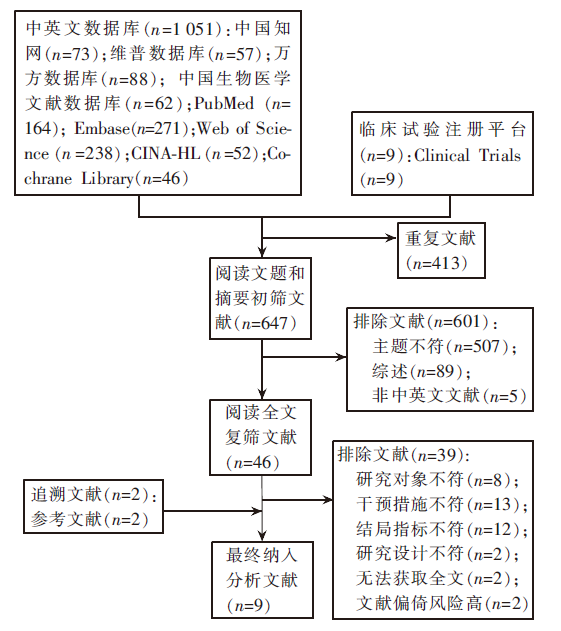
Figure 1 Literature screening flow chart
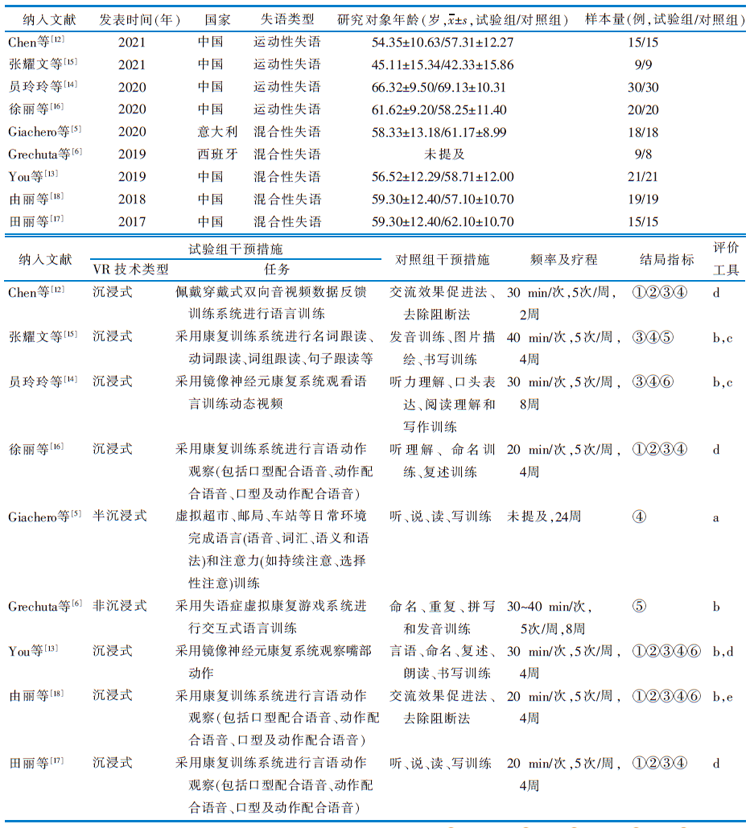 |
Table 1 Characteristics of the included studies(n=9)
| |
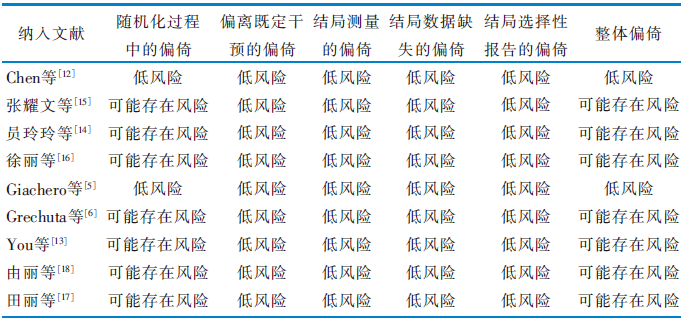 |
Table 2 Quality evaluation of the literature(n=9)
| |

Figure 2 The effects of different intervention courses of VR-based language training on listening comprehension for patients with PSA
| [1] | 张通, 李胜利, 白玉龙, 等. 卒中后失语临床管理专家共识[J]. 中国康复理论与实践, 2022, 28(1):15-23. |
| Zhang T, Li SL, Bai YL, et al. Consensus on clinical management of post-stroke aphasia[J]. Chin J Rehabilitation Theory Pract, 2022, 28(1):15-23. | |
| [2] |
Worrall L, Foster A. Does intensity matter in aphasia rehabilitation?[J]. Lancet, 2017, 389(10078):1494-1495.
DOI PMID |
| [3] | 胡含波, 何小俊, 李薇薇, 等. 虚拟现实技术在脑卒中后失语症病人言语康复中的应用进展[J]. 护理研究, 2021, 35(9):1601-1604. |
| Hu HB, He XJ, Li WW, et al. Application progress on virtual reality technology in speech rehabilitation of aphasia after stroke[J]. Chin Nurs Res, 2021, 35(9):1601-1604. | |
| [4] |
王凯蓉, 卫婉蕊, 马睛雅, 等. 沉浸式虚拟现实认知训练对认知障碍患者干预效果的系统评价[J]. 中华护理杂志, 2022, 57(2):230-236.
DOI URL |
| Wang KR, Wei WR, Ma JY, et al. Effects of immersive virtual reality-based cognitive training for people with cognitive impairment:a systematic review[J]. Chin J Nurs, 2022, 57(2):230-236. | |
| [5] | Giachero A, Calati M, Pia L, et al. Conversational therapy through semi-immersive virtual reality environments for language recovery and psychological well-being in post stroke aphasia[J]. Behav Neurol, 2020, 2020:2846046. |
| [6] |
Grechuta K, Rubio Ballester B, Espín Munne R, et al. Augmented dyadic therapy boosts recovery of language function in patients with nonfluent aphasia[J]. Stroke, 2019, 50(5):1270-1274.
DOI PMID |
| [7] | 叶维霞, 高震, 冯晓燕, 等. 虚拟现实技术联合言语训练对卒中后失语患者语言功能康复的影响[J]. 浙江中西医结合杂志, 2021, 31(3):239-242. |
| Ye WX, Gao Z, Feng XY, et al. Effect of virtual reality technology combined with speech training on the rehabilitation of language functions in patients with aphasia after stroke[J]. Zhejiang J Integr Tradit Chin West Med, 2021, 31(3):239-242. | |
| [8] |
Cao Y, Huang X, Zhang BL, et al. Effects of virtual reality in post-stroke aphasia:a systematic review and meta-analysis[J]. Neurol Sci, 2021, 42(12):5249-5259.
DOI URL |
| [9] | 王新德. 各类脑血管疾病诊断要点[J]. 中华神经科杂志, 1996, 29(6):379-380. |
| Wang XD. Diagnostic main points in all kinds of cerebrovascular diseases[J]. Chin J Neurol, 1996, 29(6):379-380. | |
| [10] |
杨智荣, 孙凤, 詹思延. 偏倚风险评估系列:(二)平行设计随机对照试验偏倚评估工具2.0介绍[J]. 中华流行病学杂志, 2017, 38(9):1285-1291.
PMID |
|
Yang ZR, Sun F, Zhan SY. Risk on bias assessment:(Ⅱ)revised Cochrane risk of bias tool for individually randomized,parallel group trials(ROB2.0)[J]. Chin J Epidemiol, 2017, 38(9):1285-1291.
DOI PMID |
|
| [11] |
Du SZ, Liu W, Cai SN, et al. The efficacy of e-health in the self-management of chronic low back pain:a Meta analysis[J]. Int J Nurs Stud, 2020, 106:103507.
DOI URL |
| [12] |
Chen QM, Shen WJ, Sun HW, et al. Effects of mirror therapy on motor aphasia after acute cerebral infarction:a randomized controlled trial[J]. NeuroRehabilitation, 2021, 49(1):103-117.
DOI URL |
| [13] |
You L, Wang Y, Chen WL, et al. The effectiveness of action observation therapy based on mirror neuron theory in Chinese patients with apraxia of speech after stroke[J]. Eur Neurol, 2019, 81(5/6):278-286.
DOI URL |
| [14] | 员玲玲, 王欣, 李越. 镜像神经元康复疗法治疗脑卒中后运动性失语症的疗效观察[J]. 听力学及言语疾病杂志, 2020, 28(5):527-530. |
| Yuan LL, Wang X, Li Y. Effect of mirror neuron rehabilitation therapy on motor aphasia after stroke[J]. J Audiol Speech Pathol, 2020, 28(5):527-530. | |
| [15] | 张耀文, 武惠香, 李鑫, 等. 虚拟现实技术对运动性失语患者的治疗作用[J]. 中国听力语言康复科学杂志, 2021, 19(2):128-132. |
| Zhang YW, Wu HX, Li X, et al. Therapeutic effect of virtual reality technology on broca aphasia patients[J]. Chin Sci J Hear Speech Rehabilitation, 2021, 19(2):128-132. | |
| [16] | 徐丽, 罗红, 陈爽, 等. 基于镜像神经元的言语动作观察对脑卒中后Broca失语的疗效观察[J]. 实用医院临床杂志, 2020, 17(6):139-142. |
| Xu L, Luo H, Chen S, et al. Effect observation of mirror neuron-based speech action observation in the treatment of poststroke Broca aphasia[J]. Pract J Clin Med, 2020, 17(6):139-142. | |
| [17] | 田丽, 朱慧敏, 刘莉, 等. 基于镜像神经元理论的动作观察疗法对脑卒中后非流畅性失语的影响[J]. 中国康复医学杂志, 2017, 32(10):1152-1154. |
| Tian L, Zhu HM, Liu L, et al. The effects of action observation therapy based on mirror neuron theory on non-fluent aphasia after stroke[J]. Chin J Rehabilitation Med, 2017, 32(10):1152-1154. | |
| [18] | 由丽, 王珧, 田丽, 等. 基于镜像神经元理论的动作观察疗法对脑卒中后言语失用的疗效观察[J]. 临床神经病学杂志, 2018, 31(6):429-432. |
| You L, Wang Y, Tian L, et al. The effects of action observation therapy based on mirror neuron theory on apraxia of speech after stroke[J]. J Clin Neurol, 2018, 31(6):429-432. | |
| [19] |
Chen WL, Ye Q, Zhang SC, et al. Aphasia rehabilitation based on mirror neuron theory:a randomized-block-design study of neuropsychology and functional magnetic resonance imaging[J]. Neural Regen Res, 2019, 14(6):1004-1012.
DOI URL |
| [20] |
McLay RN, Baird A, Webb-Murphy J, et al. A randomized,head-to-head study of virtual reality exposure therapy for posttraumatic stress disorder[J]. Cyberpsychol Behav Soc Netw, 2017, 20(4):218-224.
DOI URL |
| [21] |
叶明明, 翁瑛丽, 赵博伦, 等. 脑卒中后失语症患者筛查和护理的最佳证据总结[J]. 中华护理杂志, 2021, 56(3):439-444.
DOI URL |
|
Ye MM, Weng YL, Zhao BL, et al. Evidence summary for recognition and nursing of post-stroke aphasia[J]. Chin J Nurs, 2021, 56(3):439-444.
DOI URL |
| [1] | YAN Yinzhi, WEN Fang, WANG Min, ZHOU Xuemei, MA Jinling, WU Huifang, YAO Wenying. Construction and application of a graded nursing program for exercise rehabilitation in children with hematopoietic stem cell transplantation [J]. Chinese Journal of Nursing, 2025, 60(9): 1036-1042. |
| [2] | LIU Xiaoyi, WANG Hong, ZHOU Zhicong, SUN Xu, WANG Yiru, TONG Ziwei, LIU Xiaoying. Rehabilitation effects based on immersive virtual reality as a treatment for peripheral vestibular dysfunction:a Meta-analysis [J]. Chinese Journal of Nursing, 2025, 60(9): 1140-1145. |
| [3] | SHENG Wanting, WANG Rui, ZHAO Yuxiao, QI Pengfei, GAO Silong, FENG Juan, LÜ Bohan, NIU Qun, WANG Gang. The effectiveness of applying different tip positions of midline catheters:a Meta-analysis [J]. Chinese Journal of Nursing, 2025, 60(8): 990-997. |
| [4] | YAN Xueqin, CAO Songmei, ZHOU Fangfang, ZHU Liqun, CHEN Cheng, ZHU Mengxue, ZHANG Yanhong, LIANG Yiqing, BAI Suping. Summary of best evidence for early rehabilitation management of hand function in patients with hand burns [J]. Chinese Journal of Nursing, 2025, 60(8): 998-1004. |
| [5] | ZHANG Ju, WEI Lili, XIN Chen, WANG Jing, HAN Yan, YANG Yanyan, SUN Mengzhu. Application research of immersive virtual reality technology in pediatric patients undergoing elective surgery under general anesthesia [J]. Chinese Journal of Nursing, 2025, 60(6): 671-676. |
| [6] | REN Yayu, GAO Chunhua, LU Fangyan, ZHENG Li, WANG Huafen. Virtual reality technology-based psychological intervention for patients with cancer:a scoping review [J]. Chinese Journal of Nursing, 2025, 60(4): 486-492. |
| [7] | ZHANG Hao, XU Guanxue, WANG Man, JIA Yuyang, LEI Fang, YANG Ming. Advances in digital health technology in home-based cardiac rehabilitation for patients with acute myocardial infarction [J]. Chinese Journal of Nursing, 2025, 60(3): 373-378. |
| [8] | ZHAI Zhongchang, YANG Linjie, WANG Huihua, ZENG Zhu, HU Yuting, WANG Jing, YANG Sai. Experiences of home-based rehabilitation of individuals with fully magnetically levitated left ventricular assist device:a qualitative study [J]. Chinese Journal of Nursing, 2025, 60(2): 149-153. |
| [9] | LU Keying, QIN Caiping, QIAN Huilizhu, SONG Yuexia. Rehabilitation nursing of a patient with scrotal hematoma caused by emergency treatment of coronary vasospasm after cardiac radiofrequency ablation [J]. Chinese Journal of Nursing, 2025, 60(2): 158-161. |
| [10] | HUANG Jinyan, ZHAI Huimin, WANG Xiwen, ZHAO Xinyu, WU Waner, MAI Shunxin, LUO Yuan-yuan, LAN Yandan, LEI Ruqi. Study on the effect of a horticultural therapy on the elderly with mild cognitive impairment in nursing homes [J]. Chinese Journal of Nursing, 2025, 60(14): 1749-1756. |
| [11] | LI Jing, MAO Qiuting, HUANG Yi, ZENG Fan, XIONG Mo, LI Qianqian, ZHOU Shuanghong. Systematic review and Meta-analysis of factors influencing taste alterations in cancer patients undergoing chemotherapy [J]. Chinese Journal of Nursing, 2025, 60(14): 1778-1785. |
| [12] | ZHANG Lin, ZHENG Yaxing, XIONG Tao, LONG Jun, CHEN Changrong. A scoping review of application of non-invasive brain computer interface technology in upper limb functional rehabilitation of stroke patients and nursing implications [J]. Chinese Journal of Nursing, 2025, 60(13): 1658-1664. |
| [13] | YUE Jingyan, HANG Cheng, LIU Wei, ZHANG Lufen, GENG Qian, MENG Weifen, ZHU Shuqin. Research on the application of relaxation training combined with exercise intervention in colorectal cancer patients undergoing chemotherapy [J]. Chinese Journal of Nursing, 2025, 60(11): 1288-1294. |
| [14] | JIA Yueyue, YANG Zhilan, ZHAI Yanping, SHI Hongrui, ZHAO Huimin, JIN Yuanyuan, LIU Xingyu, YAN Zhili, TIAN Ziwei. Prevalence and risk factors of falls in patients with knee osteoarthritis:a Meta-analysis [J]. Chinese Journal of Nursing, 2025, 60(10): 1177-1183. |
| [15] | SI Qianqian, WANG Ying, ZHAO Fuyun, MA Xiaoxiao, LIU June. Construction and application of early phase Ⅰ cardiopulmonary rehabilitation program for patients with Type A aortic dissection [J]. Chinese Journal of Nursing, 2024, 59(9): 1037-1042. |
| Viewed | ||||||
|
Full text |
|
|||||
|
Abstract |
|
|||||
