

Chinese Journal of Nursing ›› 2026, Vol. 61 ›› Issue (7): 877-883.DOI: 10.3761/j.issn.0254-1769.2026.07.002
• Special Planning—Critical and Acute Care • Previous Articles Next Articles
WANG Jing( ), SHI Huan, LI Yunmeng*()
Received:2025-10-10
Online:2026-04-10
Published:2026-04-02
* Corresponding author:
LI Yunmeng,E-mail:751687992@qq.com
王晶(), 石欢, 李云梦*()
通讯作者:
李云梦,E-mail:751687992@qq.com作者简介:王晶:女,本科,主管护师,E-mail:dpoirjg54201@163.com
WANG Jing, SHI Huan, LI Yunmeng. Construction and validation of a prediction model for the risk of aspiration in ICU patients receiving enteral nutrition support[J]. Chinese Journal of Nursing, 2026, 61(7): 877-883.
王晶, 石欢, 李云梦. ICU肠内营养支持患者误吸发生风险预测模型的构建及验证[J]. 中华护理杂志, 2026, 61(7): 877-883.
Add to citation manager EndNote|Ris|BibTeX
URL: https://zh.zhhlzzs.com/EN/10.3761/j.issn.0254-1769.2026.07.002
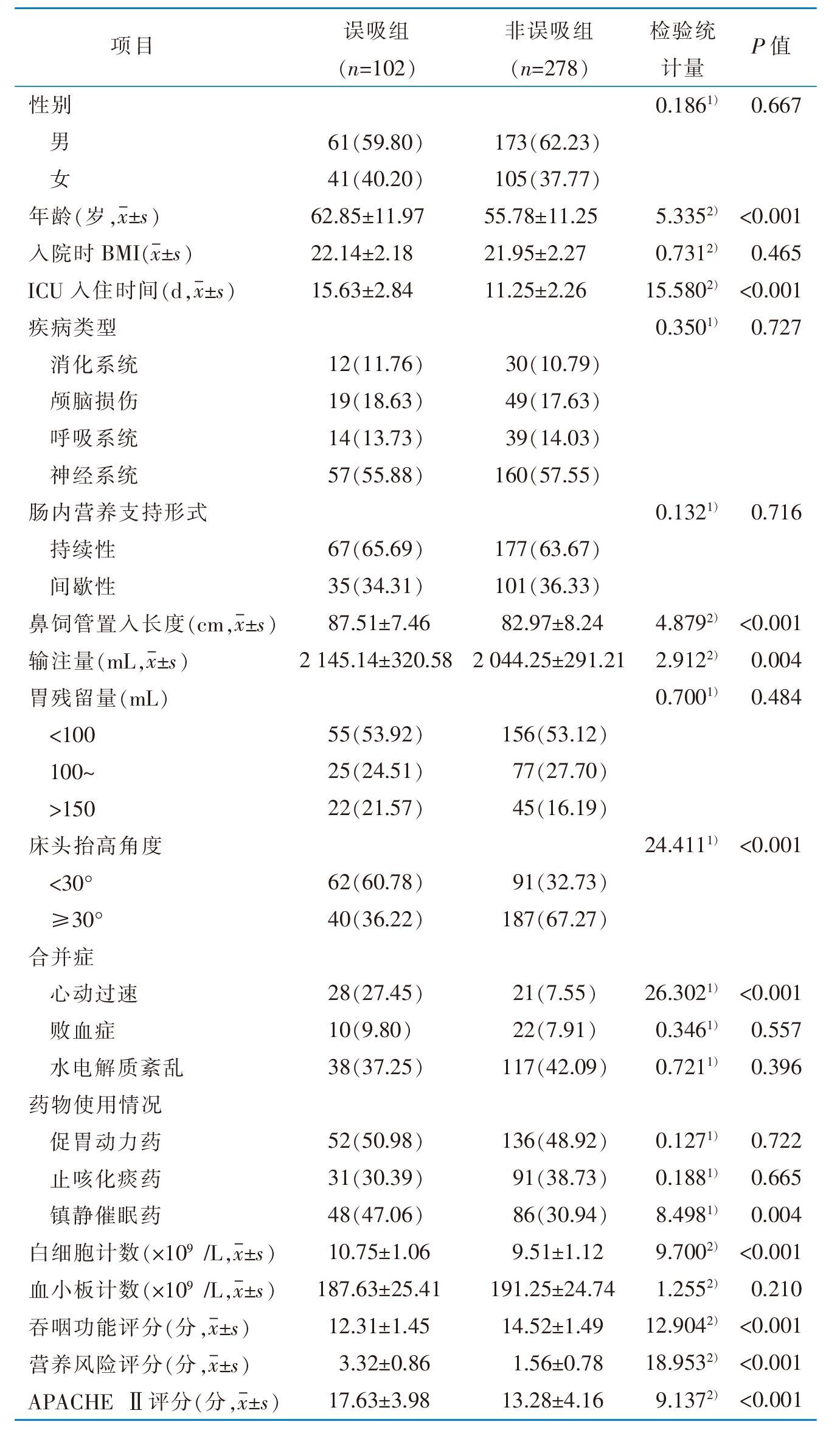 |
Table 1 General information of the survey subjects in the modeling group
|
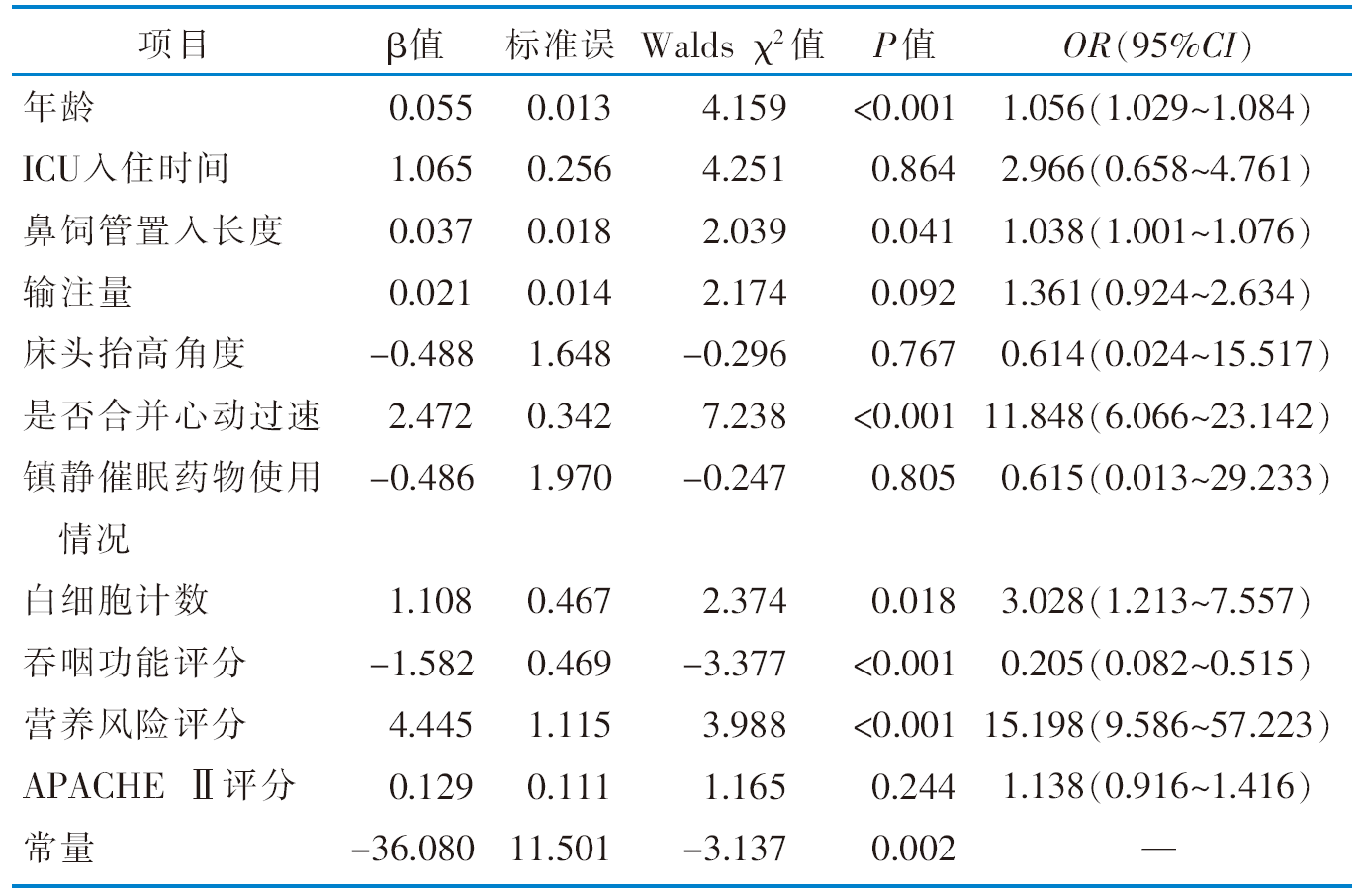 |
Table 2 Multifactor Logistic regression analysis of aspiration in the modeling group(n=380)
| |
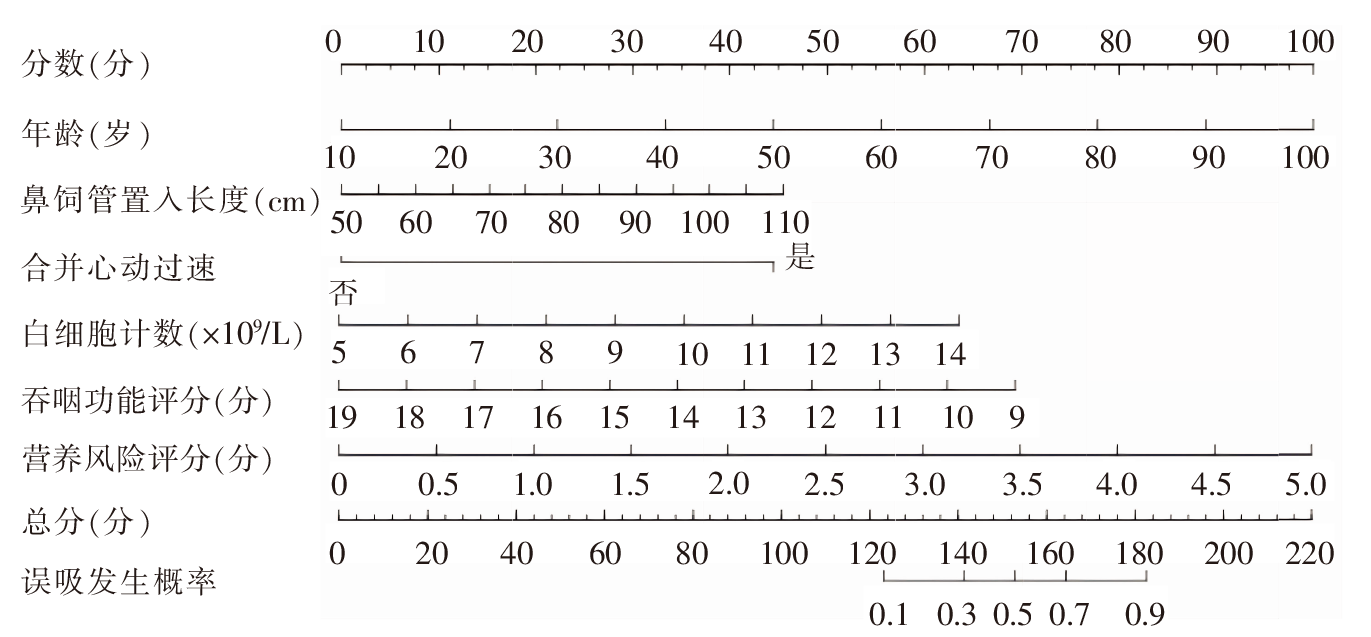
Figure 1 Nomogram model of aspiration in ICU patients with enteral nutrition support
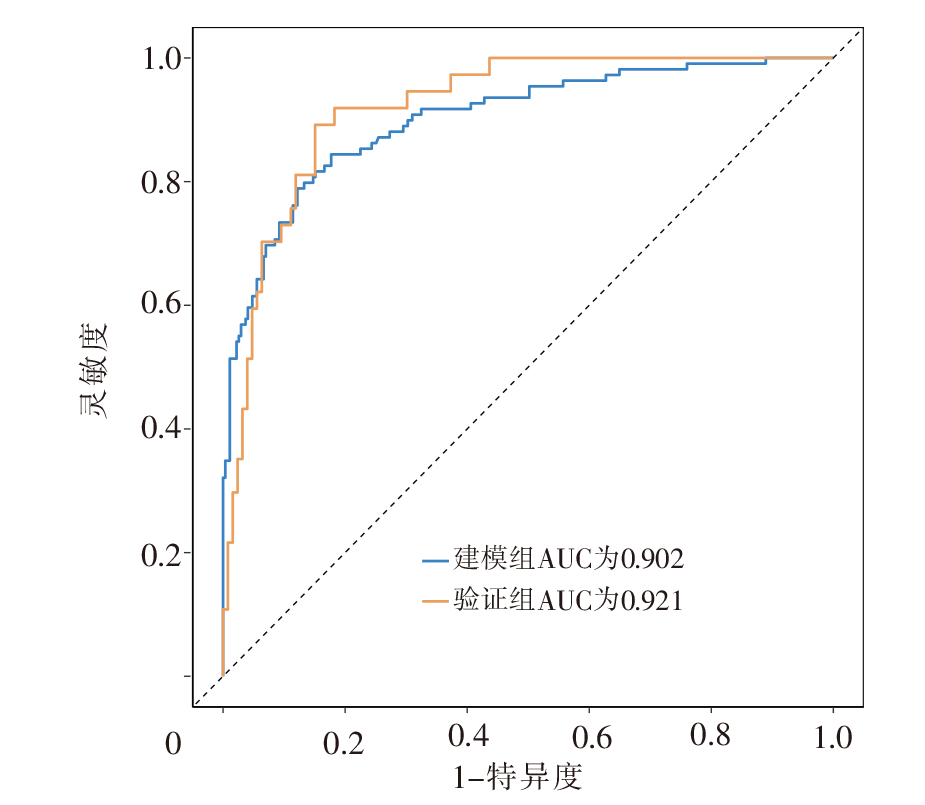
Figure 2 The area under the receiver operating characteristic curve of the nomogram prediction model for aspiration in ICU patients receiving enteral nutrition support
| [1] | Hager DN, Gunnerson KJ, Macdonald S. Critical care outside the intensive care unit[J]. Crit Care Clin, 2024, 40(3):xiii-xv. |
| [2] |
Wischmeyer PE, Bear DE, Berger MM, et al. Personalized nutrition therapy in critical care:10 expert recommendations[J]. Crit Care, 2023, 27(1):261.
DOI |
| [3] |
Landais M, Nay MA, Auchabie J, et al. Continued enteral nutrition until extubation compared with fasting before extubation in patients in the intensive care unit:an open-label,cluster-randomised,parallel-group,non-inferiority trial[J]. Lancet Respir Med, 2023, 11(4):319-328.
DOI URL |
| [4] |
Elmahdi A, Eisa M, Omer E. Aspiration pneumonia in enteral feeding:a review on risks and prevention[J]. Nutr Clin Pract, 2023, 38(6):1247-1252.
DOI URL |
| [5] |
Kaş CN, Çakır FÖ, Kocatürk İ. Evaluation of aspiration risk by relatives of inpatients in the neurology service:a metaphor analysis[J]. Health Expect, 2024, 27(1):e13883.
DOI URL |
| [6] | 米元元, 黄海燕, 尚游, 等. 中国危重症患者肠内营养治疗常见并发症预防管理专家共识(2021版)[J]. 中华危重病急救医学, 2021, 33(8):903-918. |
| Mi YY, Huang HY, Shang Y, et al. Expert consensus on prevention and management of enteral nutrition therapy complications for critically ill patients in China(2021 edition)[J]. Chin Crit Care Med, 2021, 33(8):903-918. | |
| [7] |
寇宛婷, 蔡英华, 周海琴, 等. 肺移植患者术后早期谵妄风险预测模型的构建及验证[J]. 中华护理杂志, 2025, 60(19):2348-2356.
DOI URL |
|
Kou WT, Cai YH, Zhou HQ, et al. Development and validation of a risk prediction model for early postoperative delirium in lung transplant patients[J]. Chin J Nurs, 2025, 60(19):2348-2356.
DOI URL |
|
| [8] |
江海强, 龚娟, 吴双, 等. 血液透析患者无涤纶套透析导管功能不良风险预测模型的构建与验证研究[J]. 中华护理杂志, 2025, 60(19):2313-2320.
DOI URL |
|
Jiang HQ, Gong J, Wu S, et al. Development and validation of a risk prediction model for non-cuffed catheter dysfunction in hemodialysis patients[J]. Chin J Nurs, 2025, 60(19):2313-2320.
DOI URL |
|
| [22] | Chen YY, Chen J, Zhang LJ, et al. Effect of cluster nursing scheme based on evidence-based research on preventing aspiration of nasal feeding patients during recovery period of brain injury[J]. Chongqing Med J, 2024, 53(20):3196-3198. |
| [23] | 谢敏飞, 赵伟丽, 张娓, 等. MDT护理模式在ICU患者肠内营养支持中的应用效果[J]. 中华现代护理杂志, 2024, 30(24):3314-3317. |
| Xie MF, Zhao WL, Zhang W, et al. Application effect of multidisciplinary team nursing model in enteral nutrition support of ICU patients[J]. Chin J Mod Nurs, 2024, 30(24):3314-3317. | |
| [24] | 孟蕾, 宋维鹏, 刘秀娟, 等. 不同疾病进展及预后的脓毒症患者肠道屏障功能指标变化研究[J]. 长春中医药大学学报, 2023, 39(2):188-191. |
| Meng L, Song WP, Liu XJ, et al. Changes of intestinal barrier function indicators in sepsis patients with different disease progression and prognosis[J]. J Changchun Univ Chin Med, 2023, 39(2):188-191. | |
| [25] | 郝丹, 和青森. 老年颅脑损伤肠内营养病人并发误吸的危险因素分析[J]. 中国临床神经外科杂志, 2023, 28(3):170-172. |
| Hao D, He QS. Risk factors for aspiration in elderly patients with traumatic brain injury undergoing enteral nutrition[J]. Chin J Clin Neur, 2023, 28(3):170-172. | |
| [26] | 王甜梦, 曾泓辑, 李彩霞, 等. 脑卒中后吞咽障碍患者吸入性肺炎的影响因素分析及预测模型构建[J]. 中华物理医学与康复杂志, 2024, 46(7):618-623. |
| Wang TM, Zeng HJ, Li CX, et al. Predicting aspiration pneumonia among stroke survivors with dysphagia[J]. Chin J Phy Med Rehab, 2024, 46(7):618-623. | |
| [9] | 中国急诊危重症患者肠内营养治疗专家共识组. 中国急诊危重症患者肠内营养治疗专家共识[J]. 中华急诊医学杂志, 2022, 31(3):281-290. |
| China Expert Consensus Group on Enteral Nutrition Therapy for Acute Critical Care Patients. China expert consensus on enteral nutrition therapy for acute critical patients[J]. Chin J Emerg Med, 2022, 31(3):281-290. | |
| [10] | 张海洪, 吉萍, 赵伟立, 等. 2024年版《赫尔辛基宣言》的伦理要求解读:基于研究者视角[J]. 中华医学杂志, 2025, 105(10):719-725. |
| Zhang HH, Ji P, Zhao WL, et al. Interpretation of the ethical requirements set forth by the 2024 Declaration of Helsinki:a researcher perspective[J]. Natl Med J China, 2025, 105(10):719-725. | |
| [11] | McClave SA, DeMeo MT, DeLegge MH, et al. North American Summit on Aspiration in the Critically Ill Patient:consensus statement[J]. JPEN J Parenter Enteral Nutr, 2002, 26(6 Suppl):S80-S85. |
| [12] |
Zimmerman JE, Kramer AA. Outcome prediction in critical care:the acute physiology and chronic health evaluation model[J]. Curr Opin Crit Care, 2008, 14(5):491-497.
DOI PMID |
| [13] | 肖树芹, 常红, 武剑, 等. 中文版GUSS吞咽功能评估量表的信效度研究[J]. 中华现代护理杂志, 2013, 48(34):4189-4191. |
| Xiao SQ, Chang H, Wu J, et al. Study on the reliability and validity of the Chinese version of Gugging Swallowing Screen[J]. Chin J Mod Nurs, 2013, 48(34):4189-4191. | |
| [14] | Kondrup J, Allison SP, Elia M, et al. Educational and Clinical Practice Committee,European Society of Parenteral and Enteral Nutrition(ESPEN). ESPEN guidelines for nutrition screen-ing 2002[J]. Clin Nutr, 2003, 22(4):415-421. |
| [15] | 汪海霞, 何飞, 朱丛梅, 等. ICU患者早期肠内营养治疗发生误吸的列线图风险预测模型建立与验证[J]. 天津医药, 2025, 53(10):1037-1042. |
| Wang HX, He F, Zhu CM, et al. Establishment and validation of a column chart risk prediction model for aspiration in early enteral nutrition therapy of ICU patients[J]. Tianjin Med J, 2025, 53(10):1037-1042. | |
| [16] |
邓伟, 王英, 谭丽萍, 等. ICU经口气管插管患者口咽分泌物微误吸风险预测模型的构建及初步验证[J]. 中华护理杂志, 2025, 60(21):2620-2627.
DOI URL |
|
Deng W, Wang Y, Tan LP, et al. Construction and validation of a risk prediction model for microaspiration of oropharyngeal secretions in ICU patients with endotracheal intubation[J]. Chin J Nurs, 2025, 60(21):2620-2627.
DOI URL |
|
| [17] |
Wang AH, Yang J, Jiang LL, et al. Best evidence summary for aspiration prevention and management in critically ill patients with nasogastric feeding[J]. J Clin Nurs, 2025, 34(4):1170-1186.
DOI URL |
| [18] |
Suzuki H, Yamamoto A, Ono K, et al. Is polypharmacy a risk factor for aspiration pneumonia in older adults? A case-control study[J]. Arch Gerontol Geriatr, 2024, 122:105363.
DOI URL |
| [19] | 曹承凤, 王学红, 宋田雨, 等. 脑出血术后留置胃管患者的误吸风险及其预防策略[J]. 现代科学仪器, 2024, 41(4):94-97. |
| Cao CF, Wang XH, Song TY, et al. Aspiration risk and prevention strategies in patients with indwelling gastric tube after cerebral hemorrhage surgery[J]. Mod Sci Instrum, 2024, 41(4):94-97. | |
| [20] |
Troll C, Trapl-Grundschober M, Teuschl Y, et al. A bedside swallowing screen for the identification of post-extubation dysphagia on the intensive care unit-validation of the Gugging Swallowing Screen(GUSS)-ICU[J]. BMC Anesthesiol, 2023, 23(1):122.
DOI |
| [21] | 张珊, 蒋林芷, 张盼. 脑出血患者早期肠内营养并发误吸的危险因素分析及预测模型构建[J]. 现代医学, 2025, 53(5):804-809. |
| Zhang S, Jiang LZ, Zhang P. Risk factors and prediction model of early enteral nutrition complicatedwith aspiration in patients with cerebral hemorrhage[J]. Mod Med J, 2025, 53(5):804-809. | |
| [22] | 陈媛媛, 陈健, 张立娟, 等. 基于循证研究的集束化护理方案预防脑损伤恢复期鼻饲患者误吸的效果[J]. 重庆医学, 2024, 53(20):3196-3198. |
| [1] | LÜ Hongwei, ZHAO Mingxi, HUANG Li, SUN Xiangyu, LI Zunzhu, JING Jie, WANG Xi, LI Moyan, LUO Hongbo. Application of a coagulation management system for patients on extracorporeal membrane oxygenation [J]. Chinese Journal of Nursing, 2026, 61(7): 884-891. |
| [2] | CHEN Huijing, LI Wenqi, TAN Yujiao, LI Siqi, CHANG Minmin, CHEN Xiuli, LI Tao, LIU Weijuan. Nursing management of a patient with severe juvenile dermatomyositis complicated by hemophagocytic syndrome:a case report [J]. Chinese Journal of Nursing, 2026, 61(7): 892-896. |
| [3] | LIANG Shuang, CAO Xiaobai, WANG Pengju, GAO Lan, WANG Yujiao. Nursing care of a patient with massive cerebral infarction complicated by paradoxical herniation after decompressive craniectomy [J]. Chinese Journal of Nursing, 2026, 61(7): 897-900. |
| [4] | ZHANG Qing, ZHAO Kai, LI Chunlin, HU Na, LU Xiaoyan. Study on the potential categories and influencing factors of intra-abdominal pressure change trajectory in critically ill patients with enteral nutrition in neurosurgery [J]. Chinese Journal of Nursing, 2026, 61(7): 924-931. |
| [5] | ZHU Kai, YAN Mengmeng, ZHANG Huijun, SONG Hong. Current status and potential profile analysis of interoception in diabetic patients with impaired awareness of hypoglycemia [J]. Chinese Journal of Nursing, 2026, 61(7): 932-938. |
| [6] | WANG Yangyang, YANG Minfei, HUANG Keer, YAO Xiaoyue, ZHAO Yanxiang, LI Jiaqi, YIN Na, HUANG Ling, ZHANG Ju. Facilitating and hindering factors for early exercise rehabilitation care of elderly patients with traumatic brain injury and frail:a qualitative study [J]. Chinese Journal of Nursing, 2026, 61(7): 939-946. |
| [7] | WANG Weina, QIAO Xiaofei, WU Lisheng, WANG Qianqian, JIANG Yan. The construction and application of a postoperative weight management program for bariatric surgery patients [J]. Chinese Journal of Nursing, 2026, 61(7): 947-955. |
| [8] | SHI Jinrui, ZHAN Tingting, HAO Wenjie, TU Wenjie, ZHU Yihang, ZHANG Xingxing. Symptom network analysis of patients with Wilson’s disease and its nursing implications [J]. Chinese Journal of Nursing, 2026, 61(7): 956-963. |
| [9] | HE Jingting, YING Yanping, LU Qiufang, ZHAO Huihan, LIU Liying, MA Hanzhang, ZHANG Cheng. Scoping review on the application of multimodal data in the nursing field [J]. Chinese Journal of Nursing, 2026, 61(7): 1002-1008. |
| [10] | LI Zunzhu, CHANG Xiaowei, SUN Jianhua, CHEN Juntong, ZHOU Runshi, ZHAO Mingxi, LUO Hongbo, JING Jie, WANG Jiaxin, LAN Yuanmei, WU Xinjuan. Development and feasibility evaluation of a risk screening and graded early warning tool for postoperative pulmonary complications in ICU patients [J]. Chinese Journal of Nursing, 2026, 61(7): 869-876. |
| [11] | LI Chunxiu, XIU Hong, LIU Min, ZOU Xiaojun, WANG Qing, DING Shufan, ZHAO Zhiping, LI Xiaojuan. Development and validation of a malnutrition risk prediction model in patients with hematologic neoplasms [J]. Chinese Journal of Nursing, 2026, 61(6): 733-740. |
| [12] | ZHANG Ying, DU Ruofei, YANG Huimin, XU Xiaoxia, LI Liming, DU Yating. Study on current status and influencing factors of frailty in elderly patients with newly diagnosed hematologic neoplasm [J]. Chinese Journal of Nursing, 2026, 61(6): 749-756. |
| [13] | SUN Danping, HUANG Ying, TANG Danting, SHAO Lifang. Nursing care for a case of HIV infection complicated by thrombotic thrombocytopenic purpura [J]. Chinese Journal of Nursing, 2026, 61(6): 757-760. |
| [14] | WANG Min, JI Yanan, CAO Fang, NIE Chencong, CHEN Yao, ZHANG Jiquan, CHEN Zhimei, DU Jinlei. Exploring trajectories of tube-feeding dependence symptoms and their determinants in critically ill patients:a longitudinal study [J]. Chinese Journal of Nursing, 2026, 61(6): 761-767. |
| [15] | ZHENG Yan, ZENG Yongke, CHEN Jing, LUO Xiaoqin, XIA Liangxiang, ZHENG Silin. Application research of postoperative cardiac delirium patients risk prediction models [J]. Chinese Journal of Nursing, 2026, 61(6): 768-774. |
| Viewed | ||||||
|
Full text |
|
|||||
|
Abstract |
|
|||||
